
Japanese War Brides: Across a Wide Divide
Japanese War Brides: Across a Wide Divide
On view at Irving Archives and Museum December 14, 2024 through April 6, 2025
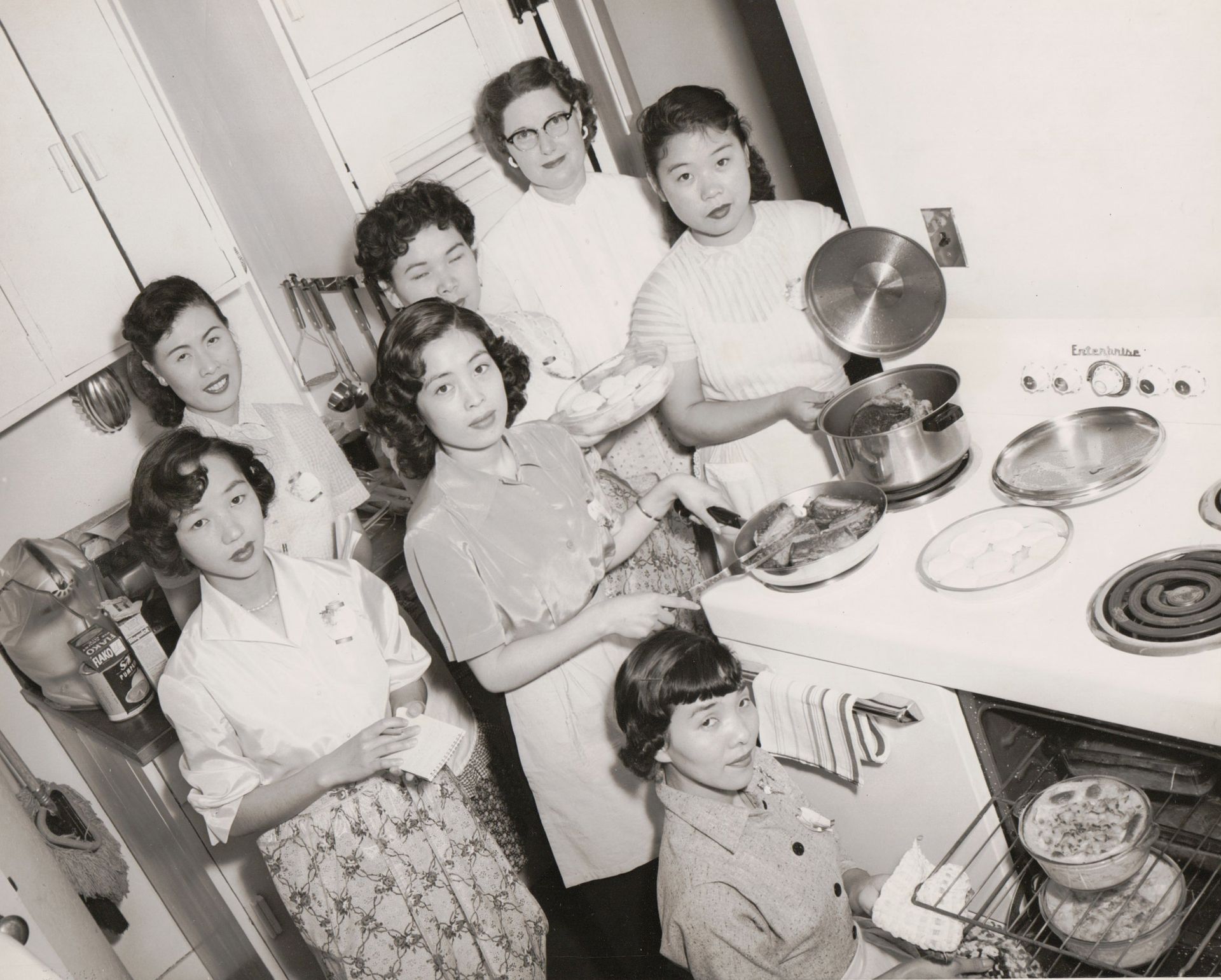
The experiences of the nearly 45,000 Japanese women who immigrated to the United States as wives of American military servicemembers after World War II are explored in the exhibition Japanese War Brides: Across a Wide Divide
from the Smithsonian Institution Traveling Exhibition Service (SITES). These young women left their homes to build lives within the complexities of postwar American society. Their experiences reshaped communities by challenging immigration laws and race relations.
Japanese War Brides: Across a Wide Divide opens at IAM, a Smithsonian Affiliate on December 14, 2024. It will remain on view through April 6, 2025, before continuing to tour museums and cultural organizations across the United States through 2028.
An opening reception is planned for Saturday, December 14, 2024, 1 – 3 p.m. Reception open to the public.
The exhibition examines the lives of ordinary women living in extraordinary times, women who navigated the wide divide between the country of their birth and the country of their husbands. It was a divide of cultural, social and legal differences. The exhibition begins by examining how the lives of Japanese citizens and occupying American servicemen intertwined during the Allied Occupation of Japan between 1945 and 1952. It outlines the obstacles of U.S. laws banning Asian immigration and the push to change perceptions following WWII.
The exhibition highlights how these women learned to be mid-century American housewives while preserving their cultures. It is a story as varied as their circumstances from geography and the race of one’s husband, to religion, work and career military or civilian life.
Through touchscreen displays, visitors can explore a historical and cultural timeline highlighting significant dates relevant to Japanese war brides in both the U.S. and Japan. They can also hear personal accounts from Japanese women and their families that reflect on the themes of the bride schools, moving to the United States, marriage, parenting, identity and community. Videos showcase segments from 1950s films that helped shape expectations on both sides of the world. Films produced by Allied forces screened throughout Japan during the occupation period promoted American sentiments and values. While in the U.S., films and other media played a pivotal role in creating new stereotypes of Japanese people and Japanese women in particular.
The arrival of these brides marked the largest women-only immigration event in U.S. history and, by 1960, had increased the population of Asian Americans in the U.S. by 10%. In contrast to other waves of immigrants, war brides did not settle in established immigrant communities with strong Japanese cultural roots. They lived in cities and towns, big and small, across America, often without familial, linguistic or cultural support networks. Not all women lived happy lives or had intact marriages, but many carved out meaningful lives in their communities despite formidable challenges.
The exhibition draws upon the work of three daughters of Japanese war brides to better understand their mothers’ experiences. Through War Bride Experience Inc., Lucy Craft, Karen Kasmauski and Kathryn Tolbert collected oral histories of war brides and members of their families. Japanese War Brides
features many of these voices that provide personal reflections on life in postwar Japan, their experience as new immigrants in the U.S. and their legacies.
_______________
Japanese War Brides: Across a Wide Divide
is a collaboration between
SITES, the Smithsonian’s National Museum of American History and War Bride Experience Inc. The exhibition received federal support from the Asian Pacific American Initiatives Pool, administered by the Smithsonian Asian Pacific American Center. Additional funding was provided by the Sachiko Kuno Philanthropic Fund.

In recognition of the twenty-fifth anniversary of September 11, 2001, the Irving Archives and Museum presents 9/11 Remembered .

Discover local history and community at the Jackie Townsell Bear Creek Heritage Center on Saturday, October 10, at 1 p.m. Bear Creek: Fall Into History invites you to explore three historic buildings: the Bear Creek Masonic Lodge, the Green House, and the J.O. Davis House. Each site has been thoughtfully restored with interactive elements and offers a unique glimpse into the African American community that helped shape Irving’s history. While you explore, snap a selfie in our native Texas plant garden and pick up a free Legacy Kit to start uncovering your own family history. Come at your own pace, wander the historic grounds, and even bring a picnic to enjoy under the on-site pavilion. Free and family-friendly, with no RSVP required!

COMING SOON TO IAM: Killing the Negative: A Conversation in Art & Verse

Second Saturdays at IAM! FREE Admission and FREE Activities for Everyone!

We Saved the Sign!

Irving Archives and Museum Opens Late Saturday, August 22, 2026

The Home Team: Spirit and Sports in Irving On View Through August 9, 2026 at IAM!
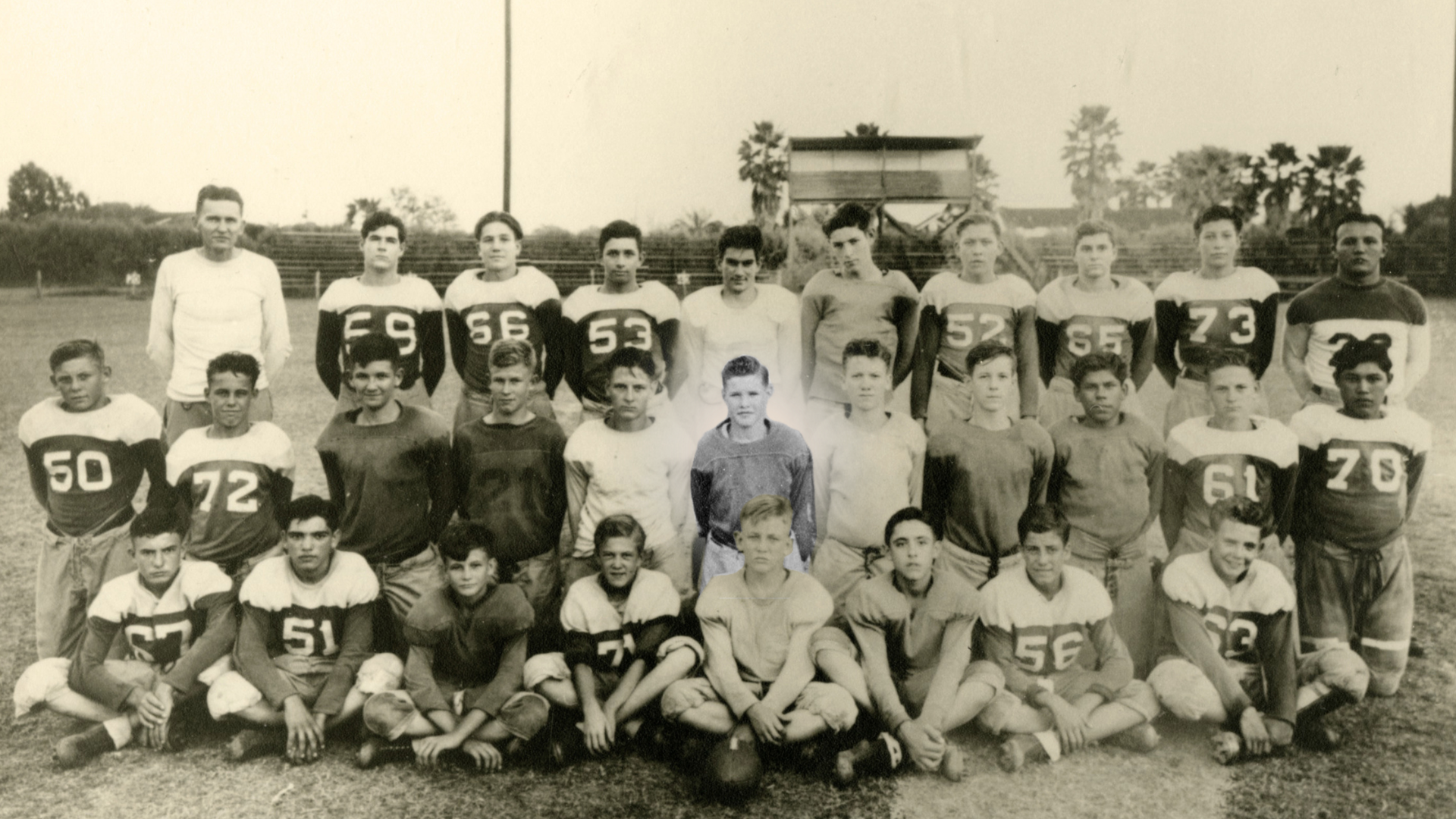
Over a 29-year career, Tom Landry led the Dallas Cowboys through 20 consecutive winning seasons, many of them during the team’s years at Texas Stadium in Irving. Experience Tom Landry: A Life in Football through August 9, 2026 at the Irving Archives and Museum!

Badge of Pride and Irving Archives & Museum Win 2026 AASLH Award of Excellence

Irving Archives and Museum & Mustangs of Las Colinas - Museum Stores - Summer Sale!
